
patterned toughened glass
Understanding the Cost of Pressure Control Valves Pressure control valves are essential components in various industries, ensuring the safe and efficient operation of systems by regulating pressure levels. These valves find applications in manufacturing, oil and gas, water treatment, and many other sectors. As these systems are critical for maintaining operational integrity, understanding the pricing of pressure control valves becomes crucial for businesses looking to optimize their expenditures without compromising quality. The price of pressure control valves can vary significantly based on a variety of factors, including design, size, materials, and application. Generally, standard pressure control valves can range anywhere from $50 to several thousand dollars. For instance, a simple brass valve designed for low-pressure applications may fall on the lower end of the price spectrum, while specialized valves made from high-grade materials to withstand extreme conditions can be quite expensive. Understanding the Cost of Pressure Control Valves Additionally, the size and specifications of the valve play a critical role in determining its cost. Larger valves that can handle higher flow rates or operate at elevated pressures typically command higher prices. Custom-designed valves tailored to specific applications may also lead to increased costs, as specialized manufacturing processes and materials would be required. pressure control valve price Another factor influencing the price is the brand and the technology used. Established manufacturers often offer higher prices due to their reputation for quality, reliability, and aftermarket support. Innovative features such as electronic controls, advanced sealing technologies, and integrated monitoring systems can further drive up the price but may enhance efficiency and reduce operational costs over time. When considering the price of pressure control valves, it's essential to factor in the long-term benefits and potential savings. Investing in high-quality valves can lead to reduced maintenance costs and enhanced reliability, which is critical for operations that cannot afford downtime. Moreover, choosing the correct valve for the application ensures optimal performance, which can lead to energy savings and decreased operational costs. For companies purchasing pressure control valves, conducting thorough research and comparing options from different suppliers will help identify the best fit for their needs. It may be beneficial to seek expert advice to understand the specific requirements of the application, as this can help avoid overspending on unnecessarily high-end products or facing issues with incorrect specifications. In conclusion, the price of pressure control valves can vary widely based on several factors, including material, size, specifications, brand reputation, and advanced features. Businesses should carefully evaluate their needs and consider both upfront costs and long-term savings to make informed purchasing decisions. Quality valves are an investment in reliability and efficiency, essential for the smooth operation of any industrial process.
about
patterned toughened glass
Understanding Thread Go/No-Go Gauges An Essential Tool for Quality Control In the fields of manufacturing and engineering, precise measurement is crucial for ensuring that components fit together properly and function as intended. One of the key tools in this realm is the thread go/no-go gauge, a simple yet highly effective device used to inspect threaded parts. This article will delve into the purpose, design, and importance of these gauges in maintaining quality control. What is a Thread Go/No-Go Gauge? A thread go/no-go gauge is a measuring tool designed to verify the proper dimensions and tolerances of threaded features. It consists of two parts a go gauge and a no-go gauge. The go gauge is used to check the maximum allowable size of the thread, while the no-go gauge checks the minimum allowable size. Together, they help ensure that the threaded part meets the specified standards and can achieve a proper fit with corresponding components. Purpose and Functionality The primary purpose of a go/no-go gauge is to facilitate a quick and reliable inspection process. By using these gauges, manufacturers can efficiently determine whether a threaded part is acceptable for use. During production, threads may be subjected to various factors that can lead to errors—such as wear, tool damage, or improper machining. The go/no-go gauge serves as a definitive testing method, enabling engineers and quality control inspectors to identify parts that fall outside permissible limits. When a part passes the go gauge, it indicates that the thread is within the maximum size limit, meaning it can be assembled with the mating part. Conversely, if a part fails the no-go gauge, it indicates that the thread is larger than the minimum size limit, which could lead to improper fitting or function. Design and Features thread go nogo gauge The design of thread go/no-go gauges can vary depending on the specific application, including the type of thread (e.g., metric or imperial) and the size range being measured. These gauges are often made from high-quality materials, such as hardened steel, to withstand wear and maintain precise dimensions over time. Many modern gauges also incorporate ergonomic features, making them easier to handle and use in production environments. Additionally, some gauges can be designed with a built-in indicator to provide further feedback to the operator, ensuring that the measuring process is both efficient and accurate. Importance in Quality Control Implementing go/no-go gauges in manufacturing processes is critical for quality control. Inaccurate threads can lead to assembly failures, decreased product performance, and ultimately dissatisfied customers. By using these gauges, manufacturers can detect issues before parts are assembled into final products, reducing the risk of costly recalls or repairs. Moreover, go/no-go gauges can help ensure compliance with industry standards and regulations. Many sectors, such as aerospace and automotive, require exact specifications to ensure safety and reliability. Regular use of these gauges can assist companies in maintaining certification and demonstrating their commitment to quality. Conclusion Thread go/no-go gauges are indispensable tools in the manufacturing and engineering sectors. Their simple design and effective functionality provide a reliable method for ensuring that threaded parts meet critical specifications. By integrating these gauges into quality control procedures, manufacturers can enhance product reliability, improve operational efficiency, and ultimately deliver superior products to their customers. As industries continue to evolve, the importance of precise measurements and quality assurance will remain paramount, making thread go/no-go gauges relevant for years to come.
-

High quality industrial productsagement

High quality industrial products
View Details -

Meet the diverse needs of customers

Meet the diverse needs of customers
View Details -

Strict quality control

Strict quality control
View Details -

Top raw materials

Top raw materials
View Details -

Trusted supplier

Trusted supplier
View Details
Our application

news and information
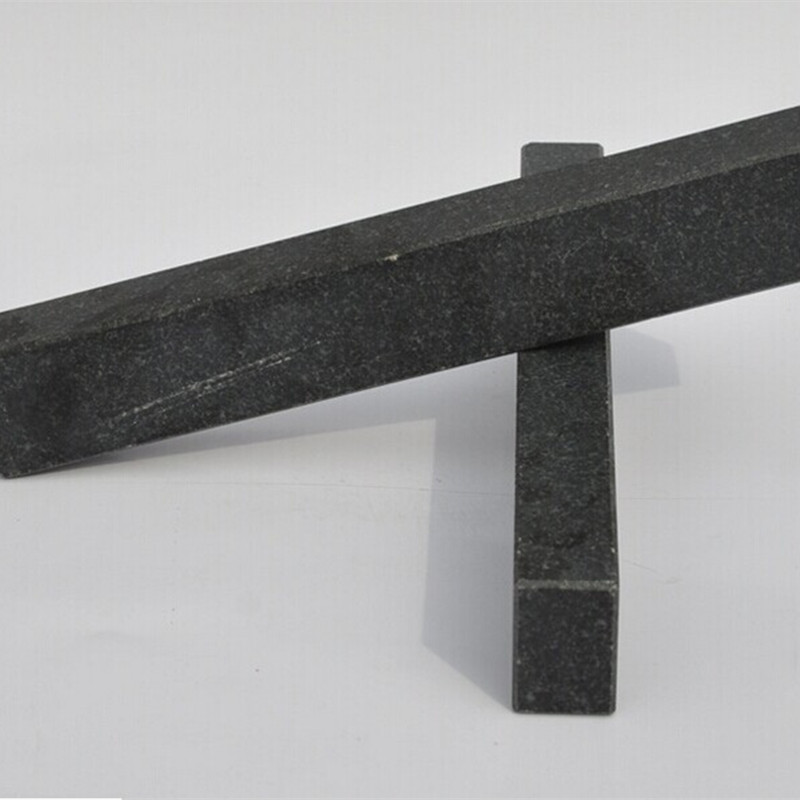
Using Tapered Plug Gauges for Precision Measurement and Quality Control in Manufacturing
Understanding Taper Plug Gauges and Their Applications In precision engineering and manufacturing, e
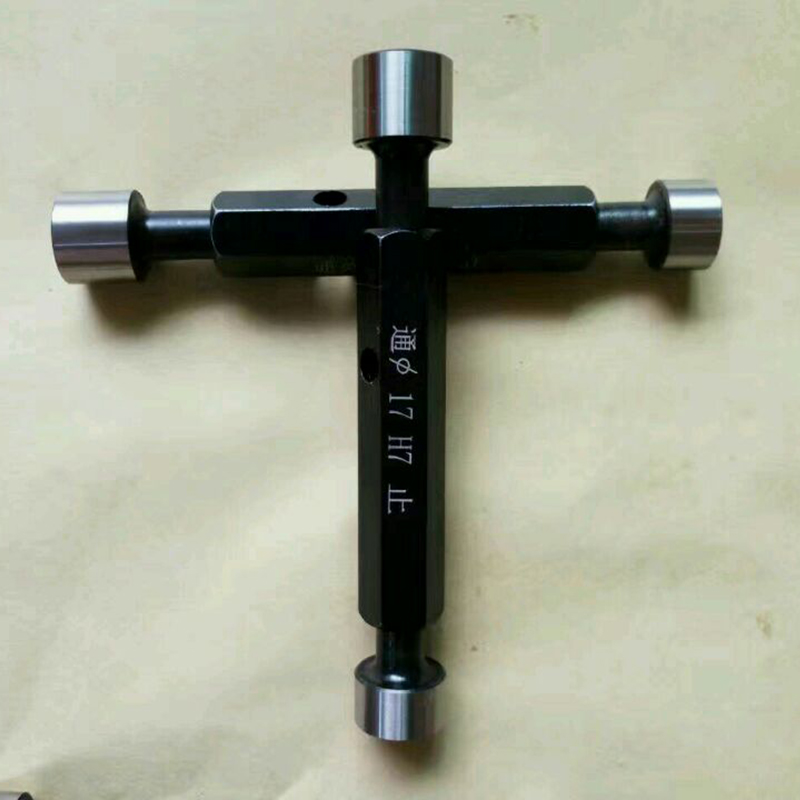
using a thread gauge
Using a Thread Gauge A Comprehensive Guide Threads are an essential component in countless mechanica

Vanne de contrôle à boule de 4 pouces
La vanne à clapet de 4 pouces un élément essentiel pour la régulation des fluides La vanne à clapet
 English